Loading…
Friday October 9, 2026 12:30pm - 1:00pm GMT-03
This piece explores how the Madeja Archive was created and how it has developed over time. Madeja isn’t just any archive, it’s a dynamic, evolving collection housed within the Fundación de Arte Contemporáneo (FAC) in Uruguay. It all began in the early 2000s, driven by a genuine sense of urgency among artists and curators. They noticed that fragile audiovisual works from the late ’70s onward, recorded on U-Matic, VHS, Betacam, MiniDV, Hi8, and even film, were slowly deteriorating and at risk of disappearing forever.
But Madeja was never intended to be a cold, neutral storage room. From its inception, it was political, personal, and even a bit defiant. The archive emerged from moments when artists and curators discovered their own work decaying on shelves or realized that no one in Uruguay was supporting the preservation of independent audiovisual art. There were no public policies, no safety nets. Madeja approached preservation not only as a technical solution, but as a form of care, a gesture of resistance against being lost or erased.
Time operates differently within Madeja. It isn’t a neat, linear timeline. Each piece in the collection carries at least three layers of time (each layer occurring decades apart): 1. the moment the artist created it, 2. the moment it joined the archive, and 3. the moment someone revisits it to reuse or reinterpret it. Madeja preserves everything: tapes, boxes, handwritten labels, curated playlists, notes from the era. It isn’t just about digital files, it’s about maintaining the complexity and context of each object and the web of relationships around it. The archive ends up resembling a tangled skein (a “madeja” in Spanish) where different eras, technologies, and emotions are intertwined.
This presentation situates Madeja at the heart of important discussions about memory, media archaeology, and the ecological politics of digital preservation. It examines what happens when data exists within fragile environments, or when issues of power and funding (or the lack thereof) determine what survives. By emphasizing collective authorship, marginalized voices, and activist modes of archiving, Madeja understands memory not as a finished narrative, but as something always evolving. It’s about creating room for future curators, artists, and educators to keep these works alive and relevant, regardless of how much time goes by.
Speakers
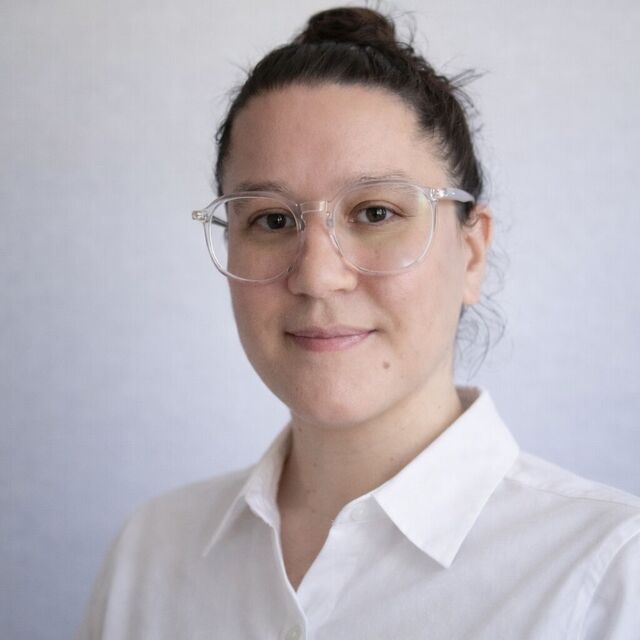
avatar for Anaclara Talento Acosta

Anaclara Talento Acosta

Artist & reasearcher, Fundación de Arte Contemporáneo
Anaclara Talento Acosta, MFAUruguay, 1988.Post Contemporary artist, researcher, and archival specialist. Bachelor's and Master's of Arts – Plastic and Visual Arts (Uruguayan University of the Republic - UdelaR. National School of Fine Arts Institute - IENBA, 2007 – 2016). Master's... Read More →

Friday October 9, 2026 12:30pm - 1:00pm GMT-03
Lygia Grandflour Room

Sign up or log in to save this to your schedule, view media, leave feedback and see who's attending!

Share Modal

Share this link via

Or copy link