Wednesday October 7, 2026 11:30am - 12:00pm GMT-03
This proposal presents a mid-term field report from My Balkan(s), a multi-year cooperation programme funded by the French Ministry for Europe and Foreign Affairs and reflects on the conditions that enable audiovisual heritage to be unlocked in complex regional contexts.
The project brings together broadcasters and archives across the Western Balkans to strengthen preservation practices, shared methodologies and responsible access to audiovisual heritage. At this halfway point, the programme offers rich and operational lessons on coordination, trust-building and evidence-based decision-making insights.
Across the Western Balkans, broadcasters and memory institutions are navigating urgent decisions about carriers, technological gaps, metadata inconsistencies, preservation infrastructures and access rights and all in all, limited resources and restraints while working with diverse organisational capacities and regulatory contexts.
These situations highlight key tensions between harmonisation and diversity, cooperation and institutional constraints, and access ambitions and rights management frameworks.
The region remains a sensitive geopolitical region, where unresolved post-Yugoslav tensions, fragile state institutions and recurrent crises continue to shape the political landscape. Beyond these differences, the project increasingly reveals a strong foundation of shared practices and common heritage across the region. Having evolved within a historically interconnected space over centuries, most institutions also preserve audiovisual collections that were created within the same state framework of former Yugoslavia. This shared archival legacy not only reflects a common past, but also constitutes a concrete basis for cooperation, interoperability and mutual understanding in the present.
These dynamics have direct implications for audiovisual archives, particularly in relation to cross-border collaboration, rights management, and the circulation of materials and data.
At the same time, the region is the object of competing external influences from the EU, Russia, China and Turkey, making cooperation projects like My Balkan(s) both strategically valuable and operationally delicate.
As part of the My Balkan(s) project funded by the French Ministry for Europe and Foreign Affairs, this mid-term panel offers three grounded field perspectives that illustrate how diversity can be transformed into structured cooperation and shared progress and how cultural projects give substantial space to overcome political tensions.
These perspectives reflect different but complementary functions within the cooperation process, showing how coordination, mediation and analytical tools contribute to structuring collaboration across diverse contexts.
-RTS (Serbia) as Regional Coordinator
RTS provides technical and organisational support to partners, helps define shared documentation practices, and pilots a working model for regional memory collaboration.
-INA (France) as Trusted Third Party
INA contributes neutral facilitation, methodological frameworks and governance models that reduce risk, harmonise terminologies, and help translate pilot experiments into replicable workflows. The trusted-third-party posture enables partners to align on rights, ethics and sustainable operational choices.
-Matières Premières (France) as Heritage Analyst
Through comparative analysis of the participating collections, the team identifies patterns of risk, selection priorities and value opportunities. Lightweight analytical tools help partners make evidence-based decisions on digitisation, platform design, and editorial uses without over-engineering processes.
Together, the speakers will present successes, obstacles, and practical tools adopted by the team to encourage building trust to achieve operational results. The session demonstrates how trust, coordination and situated analysis can turn structural and cultural diversity into long-term capacity for preservation, access and public value. This convergence of situations makes it possible to develop approaches and practices within the project that are not only locally relevant, but transferable and applicable across the different archives. It also demonstrates how collaborative work enables partners facing comparable challenges to overcome political frontiers by working on common issues and interests.
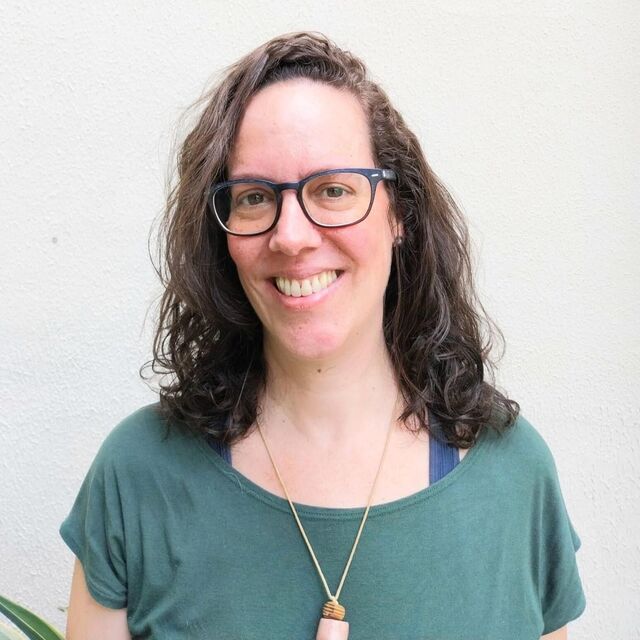
Speakers 
International affairs officer, Institut National de l'Audiovisuel
Juliette Cahin is a professional in the fields of culture, audiovisual media, and heritage, with over 10 years of experience in international cooperation. At the National Audiovisual Institute (INA), she is an international affairs officer, specializing in the management of complex...
Read More →GO
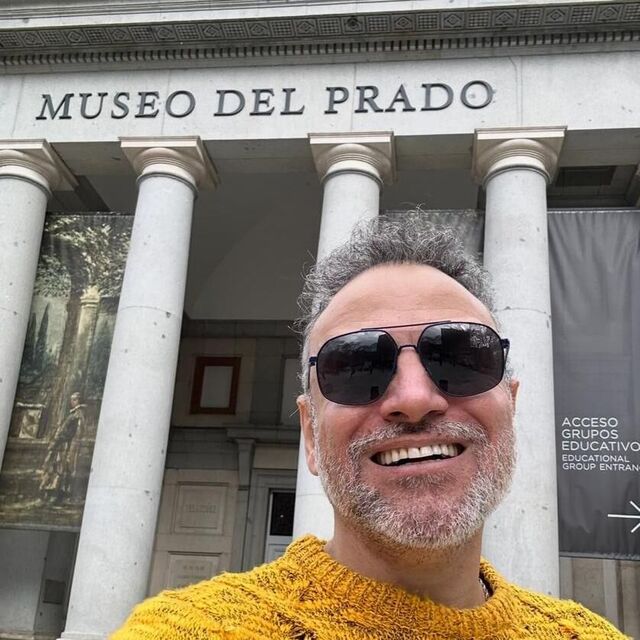
Director, Matières Premières
Guillaume Ortiou-Campion holds degrees in Law and Political Science, specializing in international cultural exchange strategies. He has more than fifteen years of experience managing international cultural projects and developing audiovisual and film cooperation initiatives. His expertise...
Read More → 
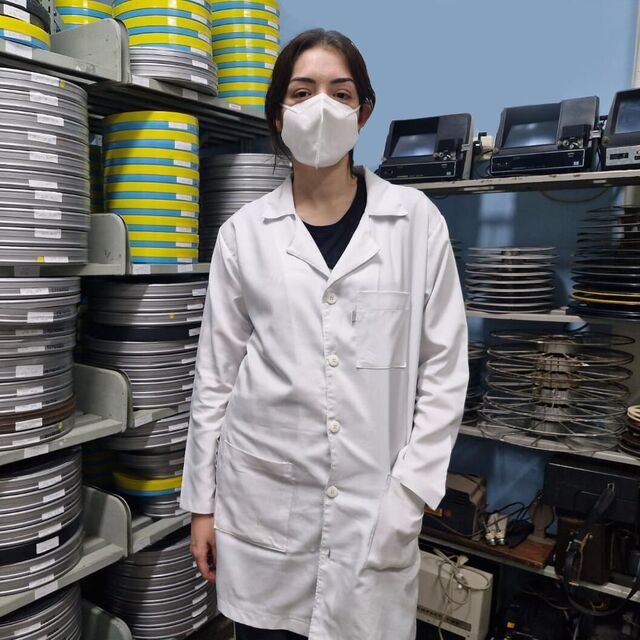
Programme editor, Radio Television of Serbia (RTS)
Nevena Popović currently works as a programme editor at the RTS Centre for Digitisation. She is also an editor in the Music and Contemporary Arts Department at RTS 3, a Serbian national television channel that focuses solely on arts and culture. Throughout her career, Nevena has...
Read More →